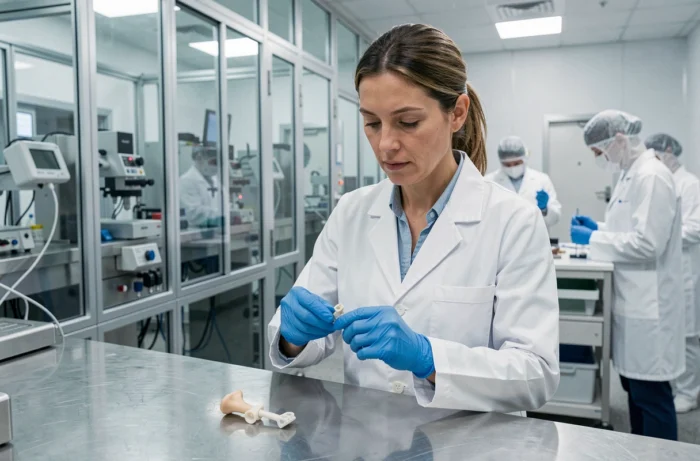
The French medical device sector comprises nearly 1,400 companies, with an overwhelming majority being SMEs. This industrial fabric generates approximately 84,000 direct jobs and reports a cumulative turnover of 32.5 billion euros. Behind these aggregated figures, the reality of the sector remains mixed: specialized regional hubs coexist with regulatory barriers that weigh on manufacturers’ capacity for innovation.
MDR Regulation and CE Certification: The Bottleneck Reshaping the Market
The transition to the European MDR (Medical Device Regulation) is the defining event of recent years for French manufacturers. The new CE certification requirements have lengthened evaluation timelines and increased compliance costs, to the point of altering the very composition of the market.
According to a European study on the availability of medical devices following the implementation of the MDR, 48% of the manufacturers surveyed report having removed at least one device from their catalog. Among them, 63% indicate that the revenue generated by the product no longer justified the cost of MDR re-approval. Other reasons cited include end of life cycle, low volumes, or insufficient profitability.
This phenomenon primarily affects SMEs, which have limited resources to absorb recertification costs. Given that 93% of French companies in the sector are SMEs, the scope of the problem becomes evident. Some niche devices, although useful in clinical practice, are disappearing due to a lack of viable business models under the new regulatory framework.
Mapping medical device manufacturers in France allows for measuring the extent of this sector and identifying specialties that withstand this regulatory pressure.
Access to Reimbursement for Innovative Medical Devices: France Falling Behind
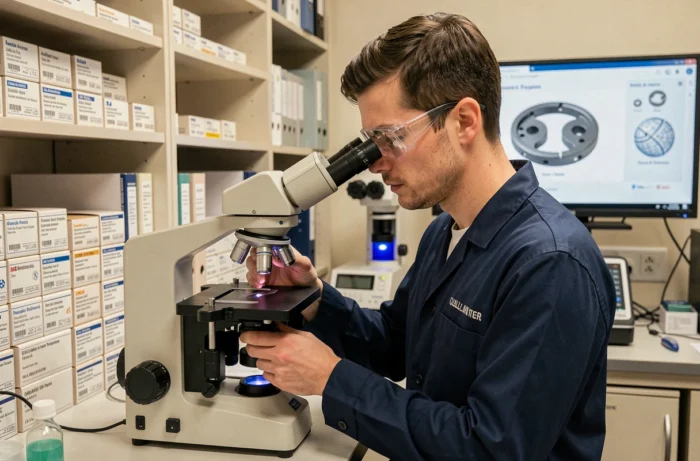
A joint study by SNITEM and ACIDIM, conducted by the JALMA firm, documents a concerning observation: market access barriers for innovative medical devices have significantly increased in France compared to several European countries, including Germany, England, Spain, Italy, and the Netherlands.
Evaluation and reimbursement timelines are deemed too long and unpredictable. For a manufacturer that has invested several years in R&D, this uncertainty directly impacts the decision to industrialize in France rather than in a neighboring country.
A Perceived Less Attractive Environment
The SNITEM/ACIDIM study highlights a gap between the stated ambition for health sovereignty and the actual market access conditions. A manufacturer that obtains its CE marking may wait months, even years, before their device is listed among reimbursed products. In the meantime, the same device may be available in neighboring countries.
Field feedback varies on the exact extent of this gap depending on device categories. Implants and digital health devices do not follow the same administrative pathways. The available data does not allow for a reliable average timeline conclusion, as situations vary from one case to another.
Regional Hubs and Industrial Specialization of French Manufacturers
The production of medical devices in France is not evenly distributed. Some regions concentrate structured ecosystems around specific specialties.
- In Centre-Val de Loire, Indre-et-Loire and Cher dominate the production of implantable devices (orthopedic, ophthalmic, dental) and hospital equipment. B. Braun, based in Nogent-le-Rotrou for over four decades, is the leading French employer in the sector and exports more than 90% of its production.
- In Auvergne-Rhône-Alpes, a panorama created by the Economic and Territorial Intelligence service of the region, in partnership with Lyonbiopôle and several metropolitan areas, lists a dense network of MedTech covering medical devices, in vitro diagnostics, and e-health.
- In Centre-Val de Loire, 60% of the sector’s workforce is employed in foreign-owned companies, illustrating the attractiveness of these territories for international groups while raising questions about strategic dependence.
Eco-design and Life Cycle: An Emerging Approach
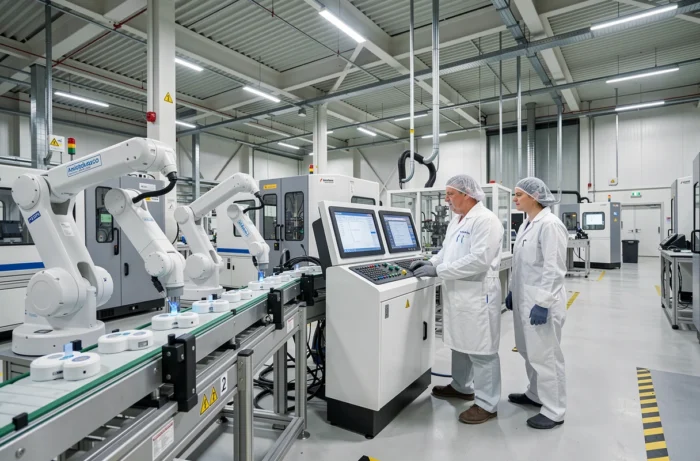
The eco-design of medical devices remains a developing topic. The sector is beginning to integrate reflections on the product life cycle, from material selection to end of life. A few manufacturers are engaging in sustainable practices, but the MDR regulatory constraint absorbs a considerable share of available resources, often relegating environmental objectives to the background.
The tension between regulatory compliance and sustainable innovation is particularly visible among SMEs. When the R&D budget is primarily used to finance recertification, eco-design projects take a back seat to regulatory survival.
Artificial Intelligence and Medical Devices: A Regulatory Framework Under Construction
The integration of artificial intelligence into medical devices raises regulatory questions that the current framework does not yet fully address. The European regulation on AI (AI Act) classifies certain medical devices as high-risk, which entails additional obligations for transparency, data management, and human oversight.
For French manufacturers, this overlap of normative frameworks (MDR, AI Act, GDPR) creates administrative complexity that favors large groups capable of mobilizing dedicated regulatory teams. SMEs, which make up the bulk of the industrial fabric, find themselves facing a stack of requirements whose articulation remains unclear on several points.
The number of companies recorded in the sector has actually decreased, from 1,476 in 2021 to 1,396 in 2023. This contraction reflects both consolidations and market exits. The French sector retains recognized expertise and strong regional hubs, but its ability to foster and disseminate innovation will largely depend on the evolution of market access conditions and the clarity of the regulatory framework in the coming years.