The maintenance budget for a car is no longer limited to an annual oil change and a biennial technical inspection. With the inflation of spare parts, new regulatory obligations, and the massive arrival of electric vehicles, expense categories are evolving rapidly. What are the actual cost differences between thermal and electric maintenance, and where will price increases concentrate in 2026?
Cost of car maintenance in 2026: thermal vs electric
General comparisons often pit thermal against electric vehicles based solely on purchase price. The maintenance category tells a different story, and the gaps widen as repair costs rise.
| Maintenance Item | Thermal Vehicle | Electric Vehicle |
|---|---|---|
| Engine Oil Change | Mandatory (annual or based on mileage) | Not applicable |
| Brake Pads | Frequent replacement | Reduced wear due to regenerative braking |
| Timing Belt / Timing Kit | Costly replacement (among the most affected by price increases) | Not applicable |
| High Voltage Battery | Not applicable | Specific diagnostics, expensive replacement outside warranty |
| Coolant | To be checked regularly | Present (battery cooling circuit), less frequent checks |
| Technical Inspection | Every 2 years (standard points) | Every 2 years (specific high voltage points added) |
A 2026 barometer, based on nearly a million quotes, indicates an average repair cost increase of about 8.7% in one year for thermal vehicles. Major interventions (timing kit, clutch, brakes) account for the most significant increases.
For electric vehicle owners, the absence of oil changes, timing belts, and reduced brake wear lightens the current bill. However, battery diagnostics and the replacement of high voltage components remain areas to monitor once the manufacturer’s warranty expires.
Specialized resources compile news and practical guides on car maintenance, such as https://otopassion.fr/, which covers both thermal models and electric SUVs.
Repair Inflation: Where the Budget Has Exploded Over the Last Ten Years
The rise in prices is not a recent phenomenon, but its magnitude is surprising. A study reported by the economic press estimates that the cost of a standard service has increased by about 70% over the past decade. This increase transforms routine maintenance into a significant budget item for households, on par with insurance or fuel.
The parts most affected by this inflation are not the ones one might think of first. Timing kits, clutches, and braking systems absorb a disproportionate share of the increase. Conversely, some simple operations (wiper blade replacement, windshield washer fluid top-up) remain affordable.
Three Levers to Limit the Bill
- Always compare online quotes before any intervention: the differences between garages for the same service can exceed several dozen percent, according to available barometers.
- Prioritize preventive maintenance over corrective: replacing worn brake pads costs significantly less than repairing a disc damaged by negligence.
- Keep an eye on seasonal promotions from auto centers, which regularly offer discounted service packages outside of vacation periods.
Keeping a car longer, a trend confirmed in recent years, does not mechanically reduce the maintenance budget. A vehicle over ten years old accumulates more frequent and costly interventions, particularly on the timing and clutch.
Automotive Technical Inspection: What Has Changed Since January 2026
Maintenance guides remind us of the principle of a technical inspection every two years. Few mention the regulatory evolution that came into effect on January 1, 2026. A decree from December 2025 introduces the concept of critical failures resulting in an immediate prohibition to drive.
In practice, certain failures detected during the inspection no longer simply result in a re-inspection within two months. They require the vehicle to be stopped on the spot, following the “stop drive” principle already in place in other European countries.
Inspection Points to Anticipate
- Tire condition: wear beyond the legal indicator or a damaged sidewall can now lead to a critical failure.
- Braking system: a marked imbalance between wheels or cracked discs fall into the most severe category.
- Lighting and signaling: a non-functioning brake light or a faulty headlight remain classic reasons for a re-inspection, but certain combinations of defects can shift to critical failure.
- For electric and hybrid vehicles, specific points related to high voltage insulation and wiring are added to the usual checks.
This evolution changes the preventive maintenance strategy. Checking brakes, tires, and lighting before the technical inspection is no longer an option but a necessity to avoid immobilizing the vehicle on the day of the appointment.

Daily Preventive Maintenance: The Key Areas That Really Matter
Not all maintenance actions yield the same return on investment. Some protect the engine and safety, while others are more about comfort.
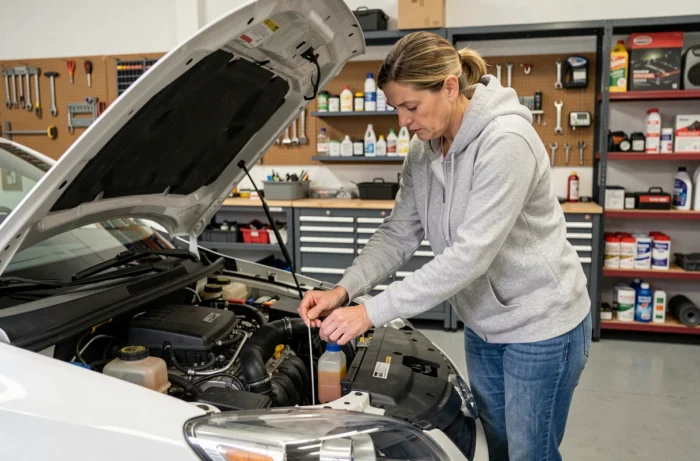
The engine oil level remains the primary indicator to monitor on a thermal vehicle. An engine running with insufficient oil level experiences accelerated wear of internal parts, and the resulting repair far exceeds the cost of a can of oil.
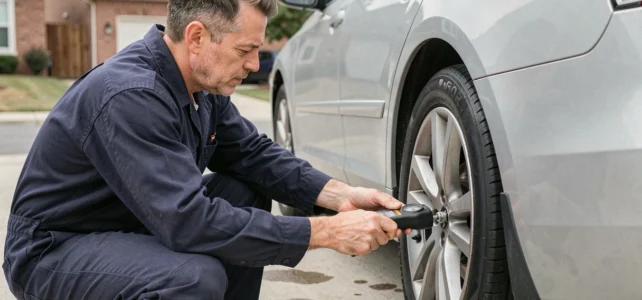
Tire pressure, which can be checked for free at most gas stations, has a direct impact on fuel consumption and road handling. Under-inflated tires increase braking distance and accelerate uneven wear of the tread.
Coolant protects the engine from overheating in summer and freezing in winter. In electric vehicles, this same fluid circulates around the high voltage battery to maintain an appropriate operating temperature. A low level in either case can cause costly damage.
Car maintenance in 2026 hinges as much on understanding the new rules as on basic mechanical actions. The continuous rise in repair prices makes each preventive check more cost-effective than before, and the new framework for technical inspections requires that interventions on safety components not be postponed.