What criteria distinguish a gourmet recipe that works from one that disappoints at tasting? The answer rarely lies in the number of ingredients or the complexity of the technique. It is rather measured in the balance between texture, seasoning, and cooking, three parameters that most online recipes address superficially.
Cooking Time and Yield: Comparing Everyday Dishes
Choosing a gourmet recipe for a family meal or a quick dinner involves weighing the time spent in the kitchen against the result on the plate. The table below compares four popular dishes based on these criteria.
| Dish | Preparation Time | Cooking Time | Number of Ingredients | Technical Level |
|---|---|---|---|---|
| Herb Roasted Chicken | 15 min | 1 h 15 | 6-8 | Beginner |
| Seasonal Vegetable Gratin | 20 min | 35 min | 7-9 | Beginner |
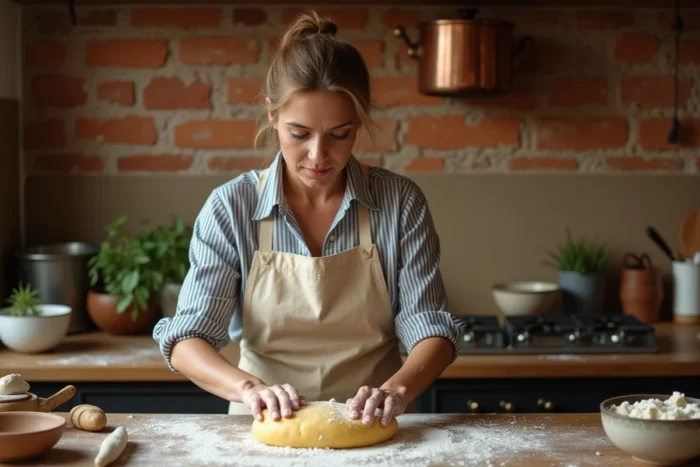
| Homemade Fresh Pasta | 40 min (including resting) | 3 min | 3-4 | Intermediate |
| Vegetable and Spice Tagine | 25 min | 50 min | 10-12 | Beginner |
The herb roasted chicken requires little active intervention: once seasoned and placed in the oven, the cooking does the work. In contrast, fresh pasta requires a technical gesture (kneading, rolling) for minimal cooking time. The balance between effort and taste pleasure clearly leans towards the chicken and the gratin for busy cooks.
The most reliable gourmet recipes share a common point: a low number of technical steps for a rich mouthfeel. Stews and oven-cooked dishes fit this profile, as prolonged heat develops flavors without constant handling.
Resources like lacigaleetlafourchette.fr illustrate this approach well by prioritizing recipes where product quality takes precedence over technical virtuosity.
Seasonal Vegetables in the Kitchen: What Seasonality Really Changes in Taste
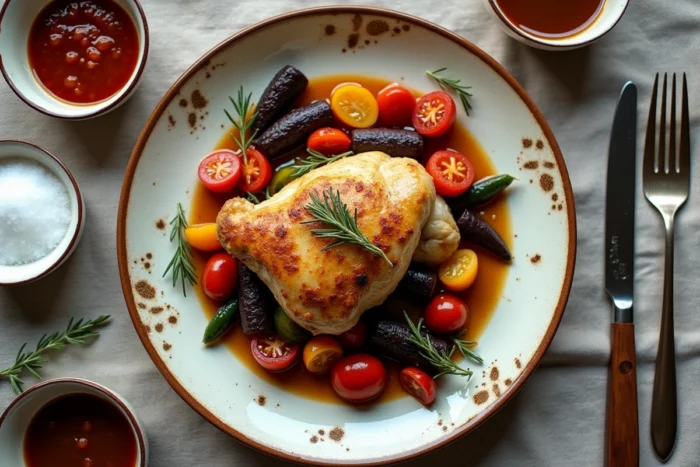
Cooking seasonal vegetables is not just an ecological choice. The taste difference between a tomato picked in summer and a winter greenhouse tomato is noticeable from the first bite. The sugar content, aromatic intensity, and texture vary significantly depending on the harvest period.
For gourmet recipes, this implies a simple principle: adapt the recipe to the calendar rather than forcing an out-of-season ingredient. A zucchini gratin works from June to September. Replacing it with a butternut squash gratin in autumn requires no additional skills but transforms the result.
Adjusting Seasonings to the Vegetable
Each family of vegetables calls for different seasonings. Summer vegetables (tomatoes, peppers, eggplants) pair well with olive oil, basil, and raw garlic. Winter vegetables (cabbages, roots, squashes) benefit from being combined with warm spices: cumin, nutmeg, ginger.
- Summer vegetables: raw seasoning or at the end of cooking to preserve aromatic freshness
- Autumn and winter vegetables: seasoning at the beginning of cooking to allow spices to infuse into the flesh
- Spring vegetables (asparagus, peas, fava beans): a drizzle of lemon juice and butter are enough; excess spices mask their delicacy
Seasoning should serve the vegetable, not cover it. A common mistake is drowning a delicate vegetable in a thick sauce that cancels its own flavor.
New Constraints on Food Packaging and Homemade Cooking
A European regulatory change will modify conservation and cooking habits starting in August 2026. Regulation (EU) 2025/40 introduces strict PFAS thresholds in food contact packaging: 25 ppb for an individual PFAS, 250 ppb for the sum of PFAS, with no exemptions for recycled materials.
In practical terms, cooking films, disposable cardboard molds, and containers used to store homemade dishes will be affected. For gourmet cooking enthusiasts who prepare meals in advance or transport their dishes, this means sorting through current accessories.
Which Utensils to Favor After This Regulation
Food-grade silicone molds, glass dishes, and stainless steel containers are not affected by this PFAS restriction. They are already the most sustainable options in homemade cooking.
- Platinum silicone molds: resistant to high temperatures, reusable hundreds of times
- Borosilicate glass dishes: go from freezer to oven without transferring substances to food
- Stainless steel boxes: refrigeration without altering taste, no micro-particles released
This regulatory evolution pushes towards reusable and inert cooking utensils, aligning with a logic of sustainable homemade cooking without additional costs in the medium term.
Cooking Techniques for Gourmet Dishes: Mastering the Maillard Reaction
The difference between a golden chicken with crispy skin and a pale chicken largely lies in the Maillard reaction. This chemical reaction between sugars and proteins, triggered above 140 °C, produces the aromas and characteristic brown coloring of roasted, grilled, or pan-fried dishes.
To achieve it reliably, three conditions must be met: a dry surface, high heat, and sufficient contact time without stirring. Patting a piece of meat or a fish fillet dry before searing it in a hot pan makes all the difference.
Applying This Principle to Vegetables
The Maillard reaction is not just for meat. Slices of eggplant, rounds of zucchini, or cauliflower wedges laid flat on a hot baking sheet develop intense grilled flavors. The key remains the same: do not overcrowd, leave space for moisture to evaporate instead of steaming.
A successful gourmet meal relies less on the recipe itself than on mastering these cooking fundamentals. Adjusting the temperature, respecting the resting time of meat, drying an ingredient before searing: these simple gestures transform a decent dish into a memorable one.